

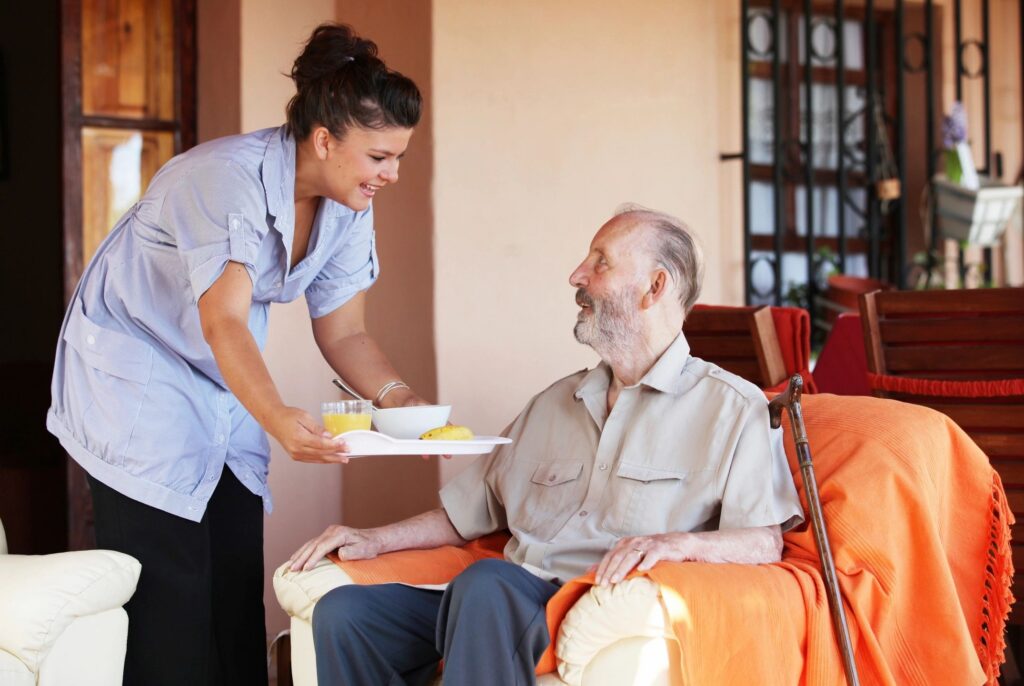
In most Muslim families, the idea of outside help with an ageing parent arrives late and reluctantly. Caring for parents is not a chore we outsource; it is an obligation we carry.
And then reality intervenes. Adult children work full time. Grandchildren need school runs. A parent needs help at eleven in the morning on a Tuesday, and nobody is home. The choice is not between family care and paid care, but between supported family care and exhausted family care.
Islamic Home Care of America is listed on Muzlist under Health & Medical. Its listing describes culturally sensitive non-medical home care services for seniors and families across Indianapolis, including Fishers, Carmel, Noblesville, Anderson, Greenwood, Plainfield, Westfield, Zionsville, Brownsburg and other surrounding communities in the Indianapolis metropolitan area.

What non-medical home care actually covers
The phrase confuses people, so it is worth being precise. Non-medical home care does not involve clinical treatment or nursing procedures. It covers everything else that makes staying at home possible.
Personal care
Help with bathing, dressing, grooming and moving safely around the house. This is the category families find hardest to discuss and often need most.
Household support
Light housekeeping, laundry, changing bedding, and keeping the living space safe and navigable.
Meals
Shopping and preparing food that a person will actually eat, which for an elderly Muslim parent usually means halal and usually means the food they grew up with.
Companionship
The least visible and most underrated part. Isolation does real damage to older adults, and a regular presence in the house changes the shape of a week.
Transport and errands
Rides to appointments, to the pharmacy, and for many families the most meaningful of all, to the masjid for Jumuah.
Why culturally sensitive care is not a marketing phrase
For a Muslim elder, the details are the care.
Language
Many older Muslims in America are more comfortable in Urdu, Arabic, Somali, Bosnian, Farsi or Bengali than in English, especially when tired or unwell. A caregiver who shares the language removes daily frustration.
Modesty
Personal care involves the body. Whether a same-gender caregiver is available is not a preference to be negotiated. For many families it is the condition on which care happens at all.
Food
Halal is the baseline. Familiar food is the difference between eating and picking.
Prayer
Knowing prayer times, providing a clean space, understanding that certain hours are not available for appointments. A caregiver who already knows this does not need to be taught it.
Family structure
Decisions in many Muslim households are made collectively. A caregiver who understands that will keep the family informed rather than only the individual.
Signs it may be time to bring in help
Families often wait for a crisis. There are usually earlier signals.
Unopened mail piling up. Confusion about daily routines. Weight loss. An unexplained fall, or a new hesitancy on stairs. Wearing the same clothes for days. Withdrawing from the masjid or from friends. A primary family caregiver who is visibly running on empty.
Bringing in a few hours of support early is far easier than reorganising everything after a hospital stay.
How to choose a home care provider
Ask concrete questions and pay attention to how they are answered.
Who exactly will come?
Will it be the same caregiver each visit? Consistency matters enormously for an older adult, particularly one with memory difficulties.
What happens when they are unavailable?
Illness and holidays happen. Ask about backup coverage before you need it.
How are caregivers screened and trained?
Vetting, references, training and supervision should be routine, documented answers.
How is the care plan built and reviewed?
A good provider assesses first, writes a plan, and revisits it as needs change.
How do we raise a concern?
Every family eventually has feedback. Knowing the channel in advance keeps small issues small.
Supporting the family caregiver too
The adult child managing everything is usually the person closest to burning out, and almost never the one anyone asks about.
Respite care exists precisely for this. Even a few hours a week that let a caregiver sleep properly, attend their own appointments, or simply sit in a masjid without a phone in their hand makes the arrangement sustainable. Sustainability is what allows a parent to stay home for years rather than months.
The Indianapolis Muslim community
Central Indiana has a settled and growing Muslim population spread across Indianapolis and its surrounding suburbs. Communities in Fishers, Carmel, Noblesville, Greenwood, Westfield, Zionsville and Brownsburg include many families whose parents came decades ago and are now ageing here, far from the extended family networks that would once have absorbed this work.
Services built for that specific reality fill a genuine gap. You can find more Muslim-owned health and community services in the Muzlist directory.
Starting the conversation with a parent
Frame it around independence rather than decline. Help at home is what allows someone to stay in their own house, keep their own routine, and avoid moving into a facility. That framing is honest and it lands far better than a list of things they can no longer do.
Start small. A few hours, one or two days a week, focused on the single hardest task. Trust builds from there.
For related reading on choosing Muslim-owned providers, see our guide to why supporting Muslim-owned businesses matters.
Frequently asked questions
What is Islamic Home Care of America?
It is a home care provider listed on Muzlist under Health and Medical, offering culturally sensitive non-medical home care services to seniors and families across the Indianapolis metropolitan area.
Which areas does it serve?
Its listing names Indianapolis along with Fishers, Carmel, Noblesville, Anderson, Greenwood, Plainfield, Westfield, Zionsville, Brownsburg and other surrounding communities.
What does non-medical home care include?
Personal care such as bathing and dressing, light housekeeping, meal preparation, companionship, and transport to appointments and errands.
Why does culturally sensitive care matter for Muslim seniors?
It covers language, same-gender personal care, halal food, respect for prayer times, and an understanding of how Muslim families make decisions together.
How do I get in touch?
The Muzlist listing includes contact details and an inquiry form that reaches the provider directly.
Ask the question early
If a parent in your family is managing alone, start the conversation before a crisis forces it. Reach out through the Islamic Home Care of America listing, explore the Muzlist directory for Muslim-owned health services near you, or list your own service free.