

There is a category of person who falls between every safety net. Working, often at more than one job. Earning too much for some programmes and far too little to buy coverage. No employer plan. One illness away from a decision between a doctor and rent.
Free clinics exist for exactly those people, and they are largely invisible until you need one.
ADAMS Compassionate Healthcare Network, known as ACHN, is listed on Muzlist under Health & Medical. Founded in 2013 and based in Chantilly, Virginia, its listing describes a free community healthcare clinic dedicated to providing medical services to low-income and uninsured individuals, with a stated aim of exemplary healthcare for underserved communities and enhanced healthcare education in the community at large.
What a free clinic is
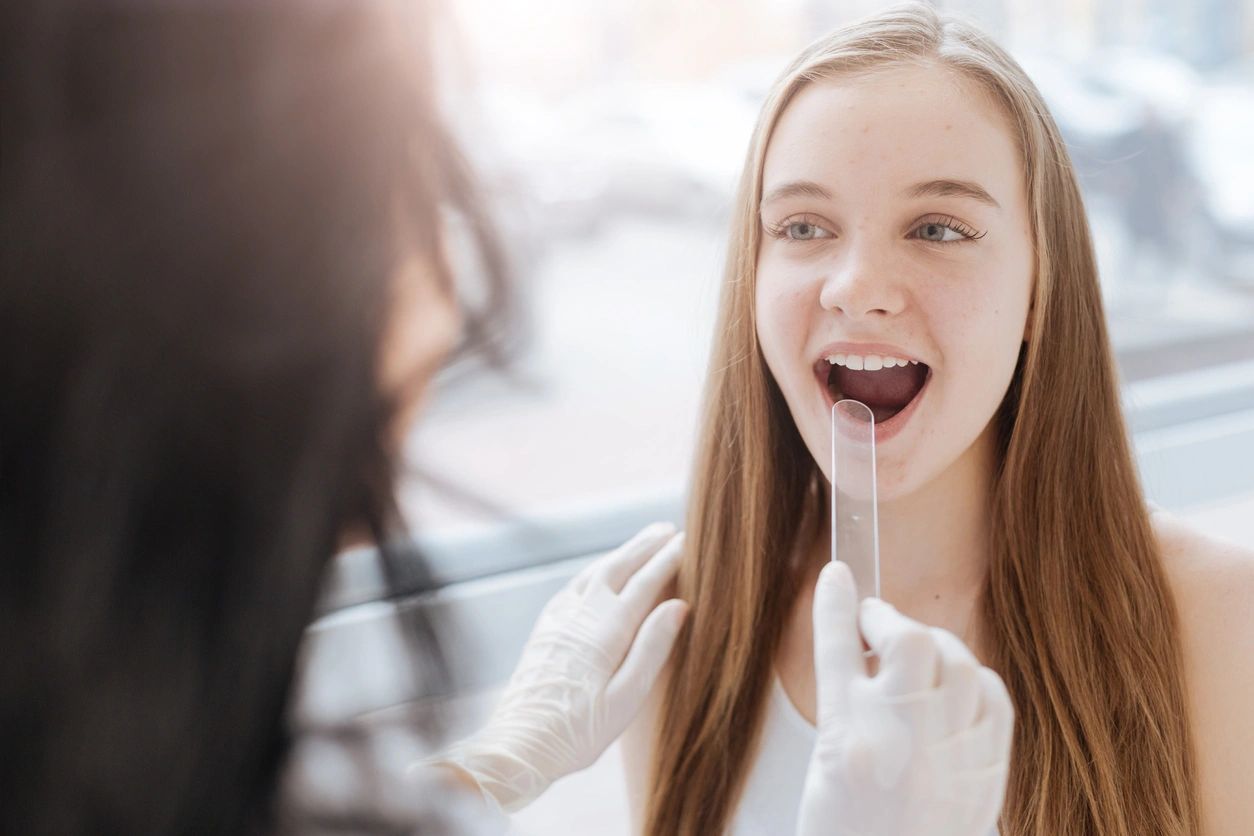
A free clinic provides healthcare at no cost or minimal cost to patients who cannot access it otherwise. They typically operate through a mix of paid staff, volunteer clinicians, donated supplies and community funding.
Volunteer clinicians
Physicians, dentists, nurses, pharmacists and specialists who give time outside their regular practice. In a region with as many healthcare professionals as Northern Virginia, this is a substantial pool of expertise.
Community funding
Free clinics run on donations, grants and community support. They do not bill patients, which means the funding model is entirely external.
Why the need exists in an affluent region
Fairfax County and the wider Northern Virginia area are prosperous by most measures, and that prosperity conceals real hardship.
Service workers, small business employees, gig workers, recently arrived immigrants and people between jobs frequently have no coverage. High local costs of living mean a household can be working full time and still unable to absorb a medical bill.
Affluence at the county level does not mean everyone is covered. It often means the people who are not are less visible.
The role of a masjid-linked clinic
ACHN’s name connects it to the ADAMS community, one of the larger Muslim community organisations in Northern Virginia. That connection matters in practical ways.
Trust
People who are hesitant to engage with institutions will often walk into a place attached to a community they already know.
Language and culture
Clinics rooted in immigrant communities tend to have staff and volunteers who speak the languages patients speak, which changes the quality of a medical conversation entirely.
Service to everyone
Free clinics founded by Muslim communities serve everyone who walks in, regardless of faith. That is the point. Care for the neighbour is not a conditional obligation.
Healthcare education as part of the mission
The listing mentions enhancing healthcare education in the community at large. This is the part that reduces future need rather than only meeting present need.
Community health education typically covers preventive screening, managing chronic conditions, understanding when to seek care, mental health awareness, and how to navigate the healthcare system. For families new to the United States, the last of these is often the biggest barrier of all.
How to support a free clinic
Clinics like this run on community participation, and there are several ways in.
Clinical volunteering
If you are a licensed clinician, your time is the single most valuable contribution possible.
Non-clinical volunteering
Reception, scheduling, translation, data entry, transport and administration. Clinics need these constantly and they are easier to fill around a full-time job.
Donations
Free clinics have real operating costs: rent, supplies, equipment, staff. Regular monthly giving is more useful to an organisation than an occasional large gift, because it makes planning possible.
Business support
Local Muslim-owned businesses can sponsor equipment, host drives, or donate a portion of a weekend’s sales. We look at that kind of partnership in our guide to building trust with Muslim customers.
Referrals
Simply knowing the clinic exists and telling the right person at the right moment. Most people who need a free clinic do not know one is nearby.
If you need care and have no coverage
Do not wait until a small problem becomes an emergency. Contact a free clinic and ask what they provide and what documentation, if any, they require.
Ask about eligibility, appointment availability, whether prescriptions are covered, and what happens if you need a specialist referral. Clinics are used to these questions and will answer them plainly.
Nonprofits in the community economy
Community clinics sit alongside other nonprofits and businesses in the same local ecosystem. They employ people, buy services and generate volunteering that binds a community together.
You can browse Muslim-owned businesses and community organisations across all 50 states in the Muzlist directory, including the DMV region.
Getting in touch
The ACHN listing on Muzlist includes contact details and an inquiry form that reaches the organisation directly. Whether you need care, want to volunteer, or want to support the work financially, that is the fastest route.
What free clinics typically provide
Services vary by clinic and by the volunteers available, but the common core is primary care: check-ups, management of chronic conditions such as diabetes and high blood pressure, basic diagnostics, and referrals into specialist care where relationships exist.
Many clinics also run periodic screening events and health fairs, which reach people who would never book an appointment but will walk into a community centre on a Saturday.
Chronic disease management
This is where free clinics quietly do the most good. A person with uncontrolled high blood pressure and no coverage is on a path toward an emergency admission. Regular monitoring and consistent medication changes that trajectory entirely, and it costs a fraction of the alternative.
Mental health
Access to mental health support is limited for uninsured people almost everywhere, and stigma adds a second barrier within many communities. Clinics that offer or refer for counselling address a need that often goes unspoken.
Why community clinics need long-term supporters
Donations spike after a fundraiser and then fall away. Clinics, meanwhile, pay rent every month and order supplies every week.
Recurring monthly giving, even modest, is far more valuable to an organisation than an occasional larger gift, because it makes hiring, planning and commitment possible. The same is true of volunteering: one reliable shift a month beats an enthusiastic burst that fades by spring.
Frequently asked questions
What is ADAMS Compassionate Healthcare Network?
ACHN is a free community healthcare clinic in Chantilly, Virginia, founded in 2013, providing medical services to low-income and uninsured individuals. It is listed on Muzlist under Health and Medical.
Who can use a free clinic?
Free clinics generally serve people who are uninsured or low income and cannot access care otherwise. Contact the clinic directly to ask about eligibility and documentation.
Do free clinics only serve Muslims?
No. Free clinics founded by Muslim community organisations serve everyone who comes through the door, regardless of faith or background.
How can I volunteer at a free clinic?
Licensed clinicians can volunteer clinical time, and non-clinical volunteers help with reception, scheduling, translation, transport and administration.
How do I contact ACHN?
Its Muzlist listing includes contact details and an inquiry form that reaches the organisation directly.
Give time, give funds, or pass on the name
If you are a clinician, offer a shift. If you are not, tell one person who needs to know this clinic exists. Reach out through the ACHN listing on Muzlist, browse the directory, or list your organisation free.